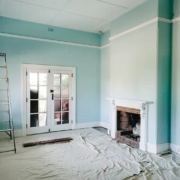
How Much is the Cost to Paint the Interior of the House in NY (2026 Guide)?
NY is expensive! Being a homeowner, you can expect to pay $3000 to $15000 for painting the interior of your house. These numbers are based on the latest average rates of painting interiors of NY apartments ($3-$7 per square foot).
In a city where a tiny studio costs a fortune, your walls shouldn’t look like a depressing landlord-special. But remember, in 2026, NY labor isn’t just about the brush anymore. You are paying for the logistical problems of double-parking, cramped service elevators, and the sheer grit it takes to prep century-old drywall.
It’s expensive, but with some sharp planning and a realistic budget, you can snag that high-end finish without setting your bank account on fire. This guide will help you stay smart, get the math right, and transform your space.
Average Cost to Paint the Interior of the House in NY
Interior painting is more expensive in NY than the national average because of high labor, material costs, and environmental reasons. The average NY homeowner spends $3 to $7 per square foot, which includes the walls, trim, and ceilings.
The cost is summarized below according to the size of the project.
| Home Size (sq ft) | Estimated Cost (Low) | Estimated Cost (High) | Average Range |
|---|---|---|---|
| 500–800 | $1,800 | $4,500 | $2,500–$3,500 |
| 900–1,200 | $3,200 | $6,500 | $4,000–$5,500 |
| 1,300–1,800 | $4,800 | $9,000 | $6,000–$7,500 |
| 1,900–2,500 | $7,000 | $12,500 | $8,500–$11,000 |
| 2,500–4,000 | $9,500 | $18,000 | $12,000–$15,500 |
Factors that Affect the Cost of Interior Paint
Here are several factors like area size, wall conditioning, paint quality, labor rates and complexity of the project that affect interior paint cost.
-
Size of the Area
The biggest cost driver in painting projects is square footage. Painters in NY normally charge per square foot, which includes walls and ceilings, not windows, doors and floor space, because these things influence the price of paint.
-
Wall Condition & Preparation
A wall that has cracks, holes, and water damage needs a lot of prep work before starting the paint. If your walls are in excellent condition, you can save $200–$1,500 on prep work.
-
Type of Paint
Water-based paints are used for the interior of the house because they are quick dry and easy to clean. As well as oil based gives a durable finish, but they take more time to dry. For interior painting projects, always invest in good paints that give you long-term benefits.
-
Paint Quality & Finish
The kind of paint that you use influences the overall cost significantly. Good paints are expensive, and they typically require fewer layers. Low-quality paints are inexpensive and require more coats as they need to be repainted frequently.
| Paint Finish | Best For | Approx. Cost/Gallon | Durability |
|---|---|---|---|
| Flat/Matte | Ceilings, low-traffic rooms | $25–$55 | Low |
| Eggshell | Living rooms, bedrooms | $30–$65 | Moderate |
| Satin | Hallways, family rooms | $35–$70 | Moderate–High |
| Semi-Gloss | Kitchens, bathrooms, trim | $40–$75 | High |
| Gloss | Cabinets, doors, accents | $45–$85 | Very High |
- Complexity & Details
The cost of a painting project is highly affected by the level of detailing and its complexity. Painting a wall standing in open places is not really rocket science. However, things change when you start talking about a textured surface. That’s because it needs more time and labor. Without expertise and appropriate methodology, you won’t get a smooth finish.
-
Labor Costs
Professional painters in NY have a price of $65–$110/hour per hour. A home that has a high ceiling and more than one room requires more labor hours, which increases the cost. The price of labor may also depend on the place and level of experience of the painter. Investment in experienced painters will ensure that a permanent and easy finish will be achieved, which will reduce the touch-ups of the future.
Also Read: How Much Does It Cost to Build a 12×12 Shed in New York?
-
Furniture & Setups
Furniture is more difficult to move and protect. Most painters charge more if the rooms are
full of furniture. One of the easiest things you can do is clear the furniture by yourself before the crew gets there. When you do it yourself, you can save between $200 and $500 on your house interior painting.
The following is the cost breakdown of these factors.
| Service | Estimated Cost Range |
|---|---|
| Cleanup | $100 – $500 |
| Furniture Moving | $50 – $500 |
| Surface Repair | $50 – $500 |
- Number of Coats Required
Another factor that influences the project pricing is the number of coats. Two coats are usually recommended to have a durable and smooth finish. However, stained walls or lighting a dark color can be covered with 3 to 4 coats of paint.
Here is the cost breakdown that would provide an accurate estimation according to the number of coats.
| Number of Coats | When It’s Needed | Cost Impact (NY Range) |
|---|---|---|
| 1 Coat | Touch-ups or repainting the same color on smooth, well-maintained walls | $1 – $3 per sq ft |
| 2 Coats (Standard) | Most interior painting projects require proper coverage and durability | $3 – $6 per sq ft |
| 3 Coats (Including Primer) | New drywall, major color changes (dark to light), or damaged walls | $5 – $8+ per sq ft |
-
Number of Rooms
Paint cost depends on the number of rooms in a house. It consists of walls and ceilings, doors and trim work. Open-plan homes are quicker and cheaper to paint than a house with more than one separate room.
-
Type of Room
The requirements of various rooms are different depending on their usage and purpose. Living rooms can be easily painted since they can be painted using standard finishes. Kitchens and bathrooms require more moisture-resistant paints like semi-gloss. However, hallways require washable paints to ensure their cleanliness over time. These versions influence the choice of material and intensity of work, which ultimately influence the cost.
| Type of Room | Estimated Cost Range (NY Adjusted) | Typical Scope |
|---|---|---|
| Bedroom | $350 – $1,000 | Standard walls, minimal prep |
| Living Room | $700 – $2,000 | Larger space, possible high ceilings |
| Kitchen | $400 – $1,000 | Cabinets/edges, moisture-resistant paint |
| Bathroom | $250 – $600 | Small size, moisture-resistant coatings |
| Dining Room | $450 – $1,200 | size, trim work possible |
| Hallways / Corridors | $300 – $1,000 | Narrow but high-traffic areas |
-
Location of the Project
The labor rates in Manhattan are high compared to other areas like Brooklyn, Queens and the Bronx. Since their rates are 10 to 20% cheaper than those in Manhattan. When the house is high-rise and does not have a freight elevator, then you end up paying extra money to take items.
Below is a table of the labor wages at various regions in the US (assuming a 2000 sq ft house construction).
| Region | Labor Rates (per sq ft) | Estimated Labor Cost for a 2,000 sq ft House |
|---|---|---|
| West | $3.50 – $8.70 | $7,000 – $17,400 |
| Northeast | $3.80 – $8.50 | $7,600 – $17,000 |
| Midwest | $2.70 – $7.60 | $5,400 – $15,200 |
| South | $2.40 – $6.80 | $4,800 – $13,600 |
How to Save Maximum on a House Interior Painting Project?
You can save money by using paint on the inside of your house with a little planning. A good finish can be achieved by using mid-range paint rather than expensive paints. You can compare prices and services by getting quotes from several contractors. Here are some tips to help you save money on interior painting.
 Choose Paint Type Wisely
 Choose Paint Type Wisely
 Latex paints are cheaper and can be used in areas where traffic is minimum, such as bedrooms and ceilings. Semi-gloss paints can be used in kitchens, bathrooms, and hallways, where the paint must be more durable.
Plan in Off-Season
The off-season is the best approach for interior painting in order to save money. Scheduling projects during the off-season can speed up their completion. The professional painters are normally less occupied, and they offer discounts of 10- 20 percent with flexible prices in order to get the work.
Primer Use
It is highly important to paint on fresh or stained surfaces of drywall with the use of primer because it provides good coverage. But when the walls are in good condition, and color change is minimal, then skip the primer step. It helps to save money and avoid unnecessary costs by examining the walls’ condition accurately to ensure that they need the use of primer or not.
Make a Color Choice Smartly
The choice of color can be used to regulate the cost and provide a professional finish. Some colors need multiple coats when painting over a similar or lighter color in order to get complete coverage. It will help you get a nice finish while staying within your budget and help to save paint and time.
Estimate the Project Cost
One of the most important steps towards successful painting projects is a good cost estimate. The only way to estimate this correctly is by summing up the total square footage and any other labor that may be needed, such as painting the furniture and repairing it. This way, the owners of the house will be in a position to obtain numerous quotes offered by professional painters and compare their prices and services to obtain the most appropriate one, based on their budget.
How to Estimate the Cost to Paint the Interior of the House?
There is a systematic process that will provide you with a good estimate. Budget overruns can be caused by estimating square footage or making guesses about the average costs. These six steps will guide you to have a good baseline before you can talk to any other contractor.
-
Measure Surface Area
The initial thing is to begin with the sum of paintable surface areas of your house. Once this is done, take the height and width of each wall and multiply them to get the square footage.
To illustrate, the total area of the walls that can be painted in a 2,000 sq ft house is usually 2.5 times the floor area. Thus, the area of the wall would be approximately:
2,000 × 2.5 = 5,000 sq ft
Then subtract the windows and doors to obtain a better cost.
2. Determine Paint Quantity
If you know how many square feet the area is, you can figure out how much paint you need. A single coat will cover
350 to 400 sq ft with an average of 1 gallon.
5000 ÷ 350 = 14 to 15 gallons per single coat.
For 2nd coat, 15 * 2 = 30 gallons.
Divide by the total surface area, then multiply by the number of coats you planned. If you are applying paint over dark colors or using a primer, you may require more paint.
Note: Total with waste factor (10%). For a 2,000 sq ft home (5,000 sq ft of wall space), you should plan for 33 to 35 gallons.
3. Calculate Material Costs
Material costs are the paint, primer, brushes, rollers, painter’s tape, drop cloths, and others. To estimate the price, divide the quantity of gallons by the price according to the quality and finish of your choice.
4. Estimate Labor
The cost of labor is the highest element of the painting works. A painter in New York City with a lot of experience can paint walls that are 150 to 200 square feet for $65 to $110 an hour. It will cost more if the layout is more complicated, the ceilings are higher, or the work is more detailed (like trim, doors, etc.).
5. Account for Prep Work
Preparation work is necessary for a professional finish. It may involve:
- Fixing cracks and holes in walls
- Sanding and putting a coat of paint
- Moving furniture
- Keeping floors and fixtures safe
- Cleanup after completion
Preparation can add $50 to $150 per room to your budget, and it totally depends on the condition of your home.
6. Sum Up All Expenses
The final cost depends on:
- Home size
- Ceiling height
- Prep work required
- Paint quality
- Geographic location
- Number of coats
For most U.S. homeowners, the realistic range is the following:
$2,500 to $8,000 for a full interior repaint
$2.00 to $6.00 per square foot
What If You Don’t Have Time for Estimation?
If you need to do a lot of work or have a tight schedule, figure out how much it will cost to paint the inside of your house. It requires precision, experience, and attention to every minor detail of surface areas, material and labor cost. Unless you have the time or resources to do this by yourself. The most effective and efficient way to do it is to get the services of a professional. They offer accurate and reliable estimating solutions to your project requirements and provide you with a clear cost breakdown.
Benefits of Hiring an Expert Interior Painting Estimator
You get more than the right numbers by hiring a professional interior paint estimator. It streamlines your entire project and makes it more affordable. A professional will ensure that each aspect has been keenly examined, such as the cost of materials, labor force, potential risks and the schedules, rather than making rough estimates.
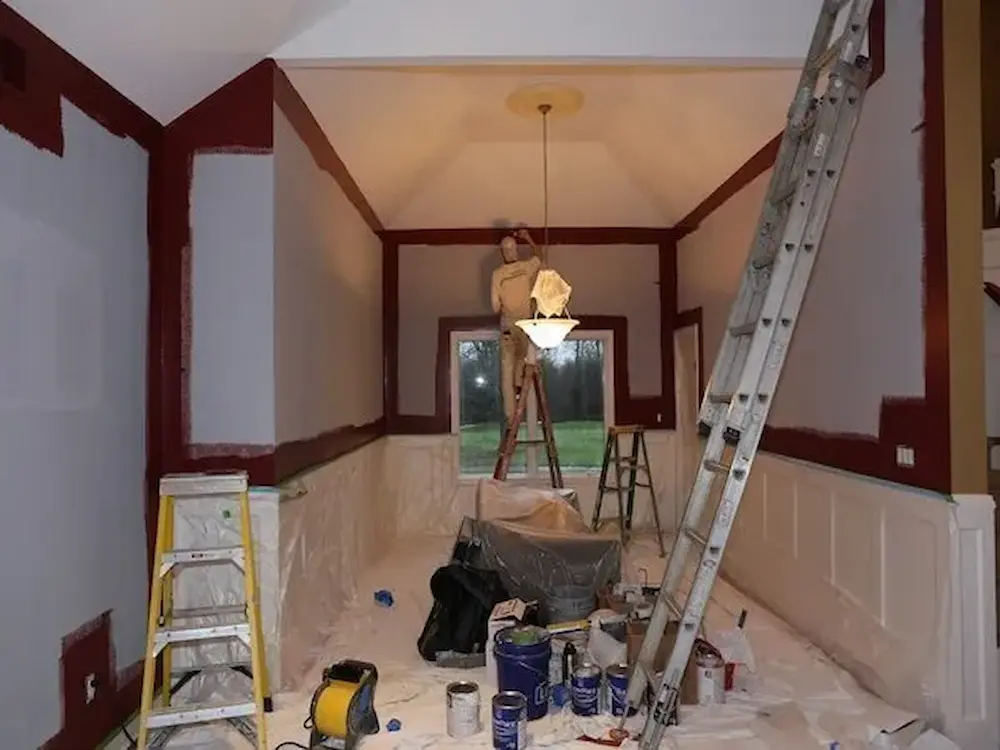 The following are some of the advantages that you are likely to enjoy when collaborating with an expert:
-
Time & Budget Management
A professional estimate sets a realistic budget from the beginning. An expert interior paint estimator helps in the entire planning process by providing accurate and well-structured cost projections. It helps you to allocate your budget efficiently and avoid unnecessary expenses without spending hours on calculating materials and labor costs.
-
Risk Mitigation
Reduction of financial risks is one of the greatest benefits of employing a professional. Estimators determine concealed costs and project difficulties before the execution of the project. This proactive strategy minimizes surprise costs and enhances control of finances during the project.
-
High-Quality Results
Tight estimation is also advisable to enable projects to perform better. Preparing the materials, labor and schedules will reduce the possibility of errors. It may simplify the work and provide you with a high-quality, professional finish without any rework or delays. Good estimates establish confidence between customers and the contractors.
Also Read: How Much Does Drywall Installation Cost in NY (2026 Guide)?
FAQs
How much does it cost to paint a house in NY that is 2000 square feet?
It costs between $4,000 and $12,000 to paint a 2,000-square-foot house in New York City. The typical professional interior painting jobs lie between 6,000 and 8,000. The prices in New York City tend to range between 2 and 7 dollars per square foot because of higher labor and overhead costs, complex old buildings, and quality paint.
What to do to recruit a trustworthy painting estimator?
The recruitment of an estimator of reliable painting is the process of locating a professional who will give a detailed and written breakdown of the labor, materials, and preparation work and not a low price. A reliable estimator will take time to survey your space, survey the surfaces and offer a comprehensive project scope.
How to achieve accuracy in painting cost estimates?
Accurate painting cost estimates necessitate a systematic approach that combines precise measurements, a thorough evaluation of surface conditions, and current, data-driven labor and material pricing. Effective estimates avoid unexpected costs and ensure profitability, often by dividing the project into smaller, more manageable tasks.
How much does a painter charge in NY?
Professional painters in New York City typically charge between $3 and $7 per square foot for interior jobs, with total costs ranging from $2,000 to $12,000 or more, depending on apartment size. Expect to pay between $200 and $800 to paint a single room. High-end, prep-intensive, or Manhattan-style projects may exceed $10,000.
How much does it cost to repaint a house in NY?
In New York City, it usually costs between $2 and $6 per square foot to paint the inside of a house. The total cost of a project can be anywhere from $2,500 to more than $10,000, depending on the size and amount of prep work needed. Painting the outside of a house usually costs between $1.50 and $4 per square foot, which can add up to $3,000 to $10,000 or more because labor costs are higher in the city.
Conclusion
The cost to paint the interior of the house in NY depends on various factors, including size, condition of the house, quality of paint used, labor rates, and the complexity of the project. However, with the correct information and a well-planned strategy, plan your project and do not spend more than you have planned.
An organized estimation process facilitates homeowners and contractors in planning their budgets better and ensures the project runs smoothly. But it takes time and experience to get the estimations right.
Key Takeaways
- NY interior painting costs range from $3.50 to $7.50 per sq ft
- Labor makes up 70 to 80% of the total project cost
- Paint quality and the number of coats directly affect the final price
- Off-season scheduling is the top way to save money
- An accurate estimate prevents budget overruns.
Get Your Interior Paint Estimate from NY Estimating Now!
 According to Angi’s report, wood paneling removal cost at
  Below are the common drywall estimating mistakes you must avoid:
